If we stop flying, lives will be lost.
If you ever needed urgent medical help, who would you want to come and save you? For thousands across the North, that answer has been the Great North Air Ambulance Service (GNAAS).
Last year we responded to 2,083 incidents across the North East, North Yorkshire, Cumbria, Scotland and the Isle of Man in 2024.
A large percentage of the incidents were traumatic and medical cardiac arrests, followed by road traffic collisions, assaults, and falls from a significant height.
This was one of their busiest years on record, and it is expected that our team will respond to a similar number of incidents in 2025, but this is only possible with the help of the public, organisations and supporters in our region.
Your passion and generosity keep us flying, we simply couldn’t do it without you.
This week an appeal has been launched focusing on the whole team that supports our charity.
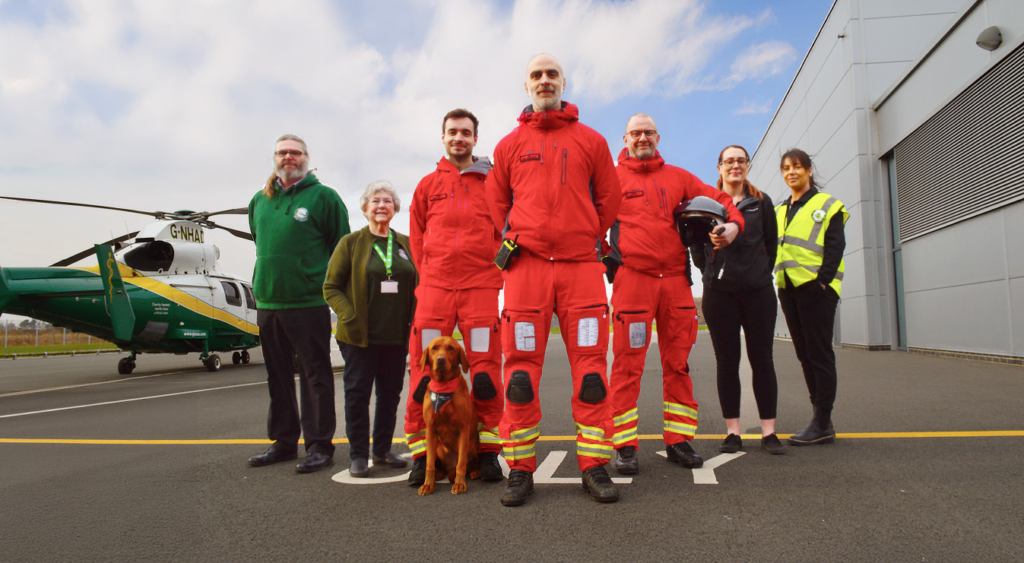
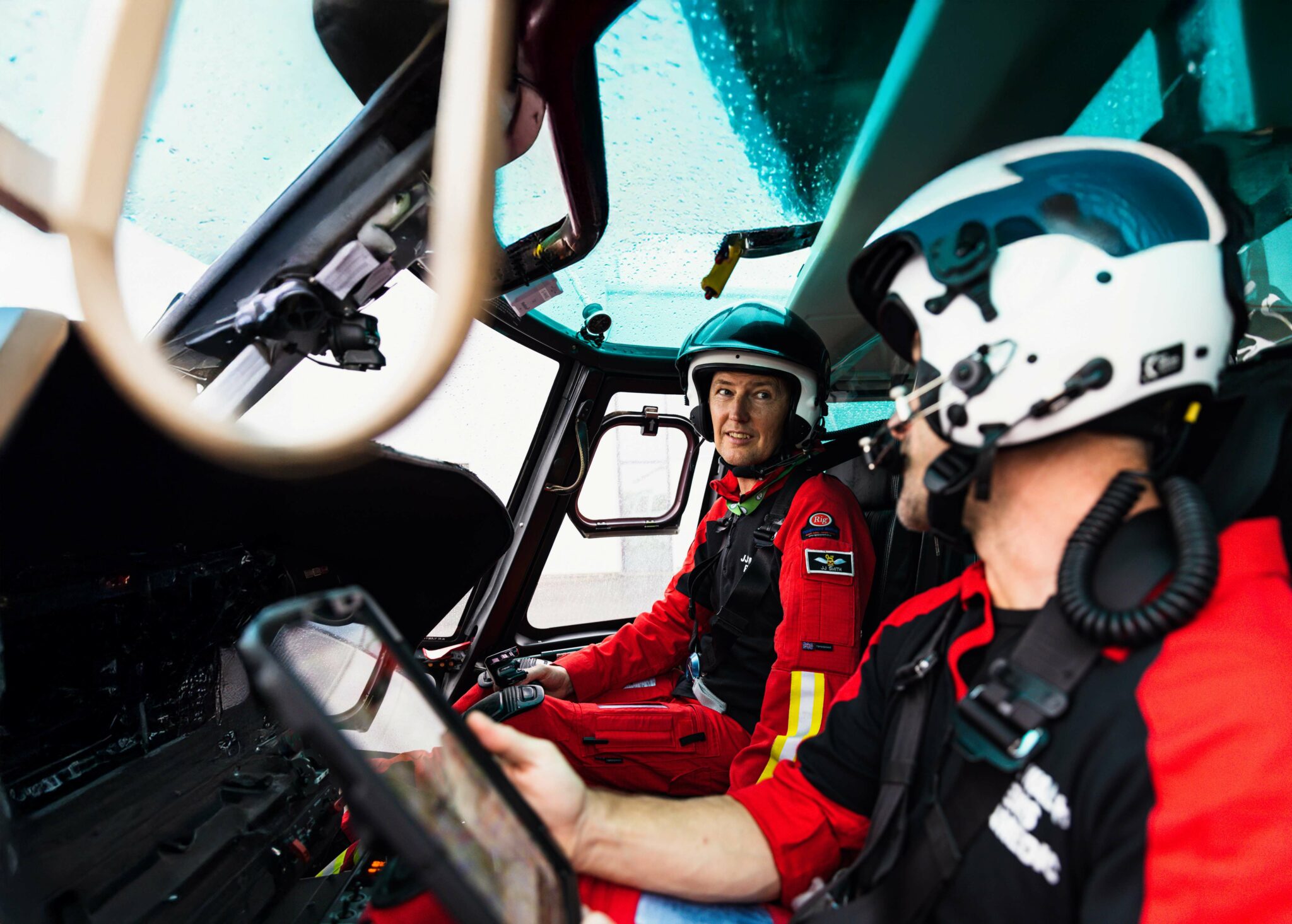
At the heart of the team is an experienced pilot, critical care paramedic and senior doctor specialising in Pre-Hospital Emergency Medicine, who are ready to respond in people’s darkest moments.
Alongside them, a dedicated charity staff team ensure the smooth operation of the service, while volunteers help spread the word across an 8,000+ square mile region, for the service we provide in support of the statutory emergency services.
The most crucial member of our team is the public and our partners, whose generous donations contribute at least 25% of the charity’s annual income. They are essential to keep the service running and save lives.
Joe Garcia, interim chief executive officer at GNAAS, said: “The past few years have been challenging for GNAAS, and as time goes on, our aircraft are aging and the cost of running this service is increasing, whilst charitable support across all charities is dropping.
“In 2024 we were predicted to run at a deficit and go into our limited reserves just to keep us flying, and we don’t want history to repeat itself.
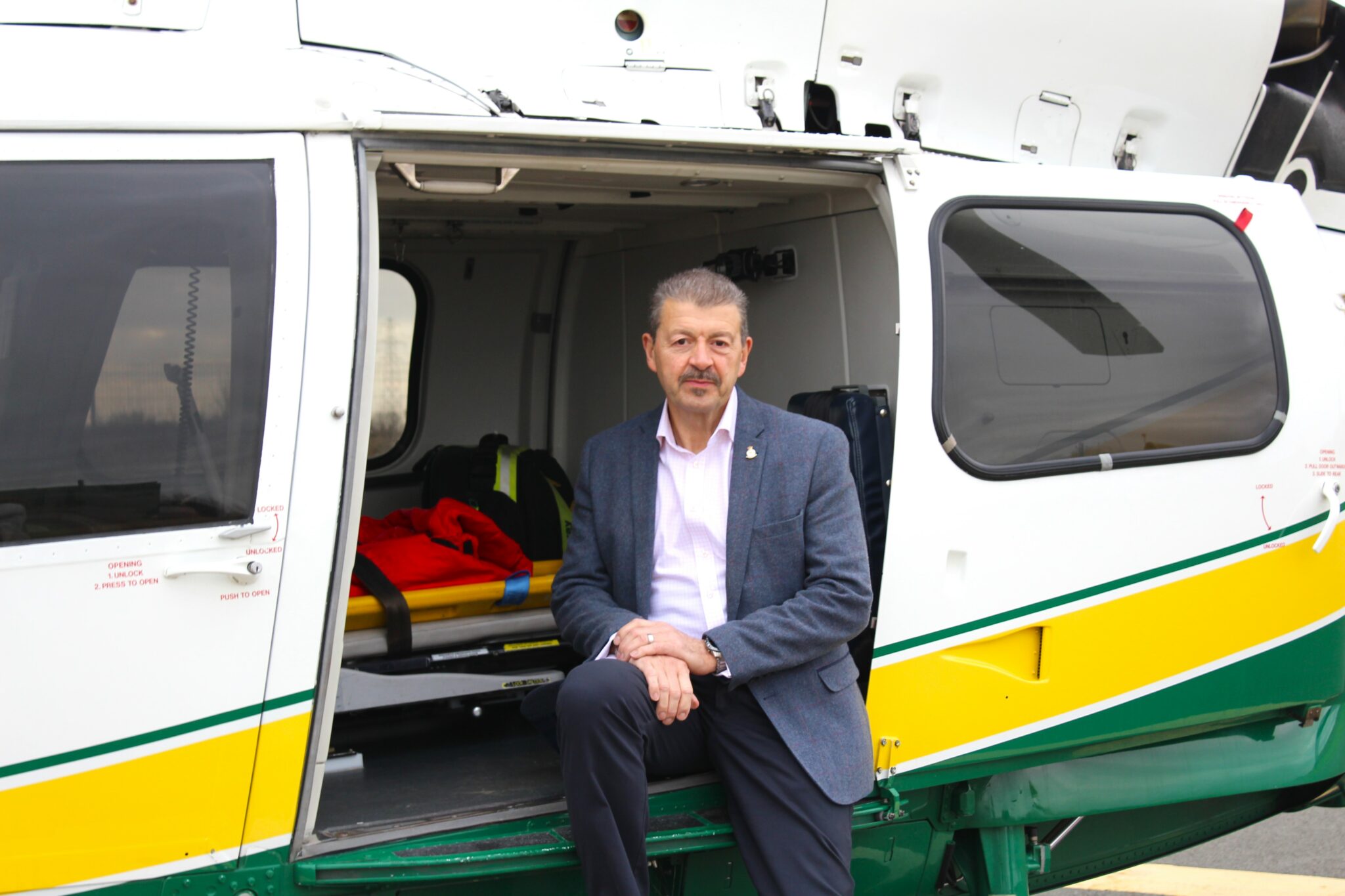
Without your support, we wouldn’t be there for those in their darkest moments.
“When our critical care team attends an incident, trauma patients have at least a 37% higher chance of surviving at 30 days compared to standard emergency care.
“Over five in every 100 of our patients have been classed as unexpected survivors, which means statistically, with the injuries they’ve sustained, they were unlikely to survive without the interventions of our pre-hospital emergency medicine specialists. This highlights how vital our service is and why we need to rely on the ongoing support of the public.”
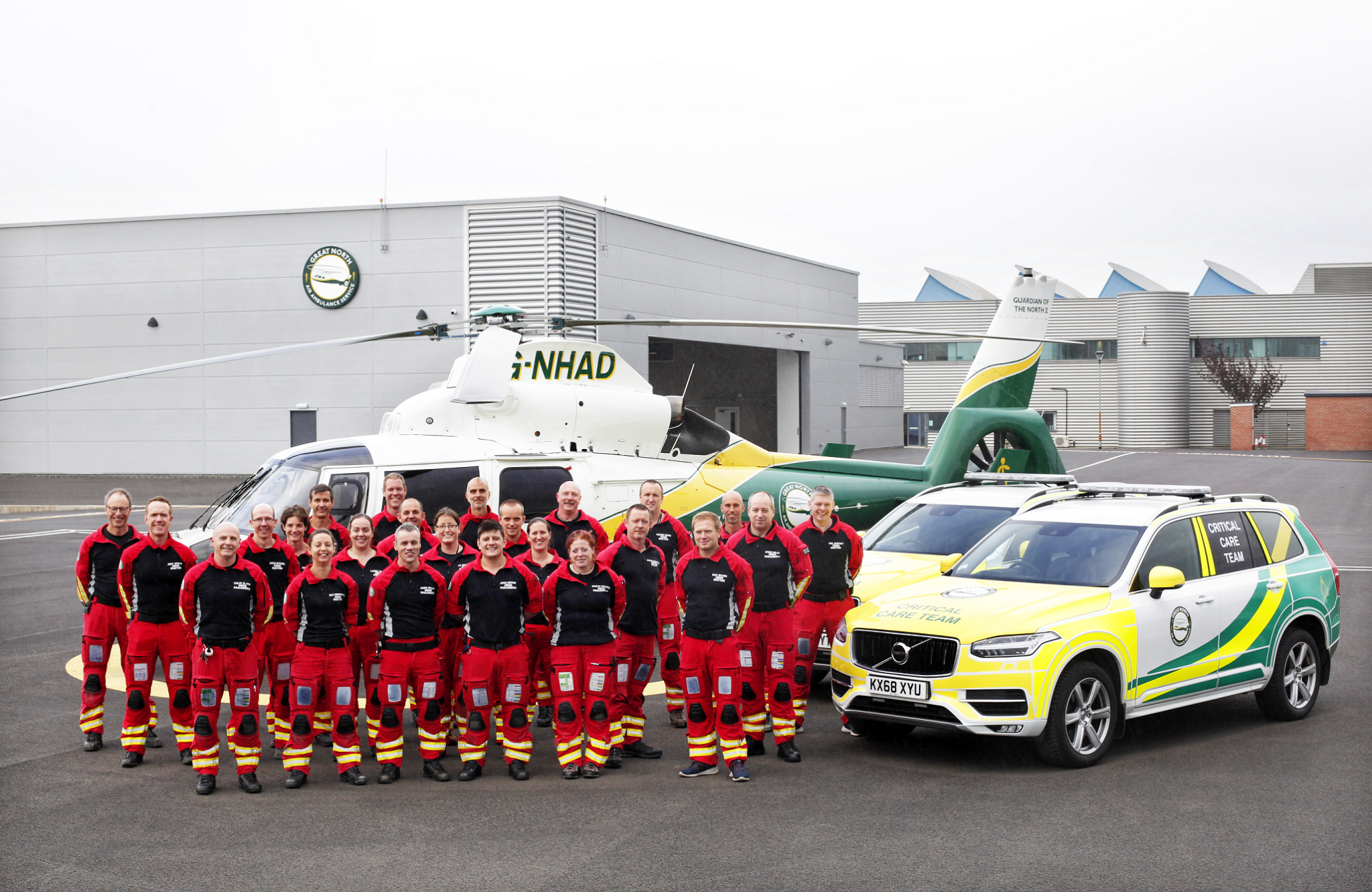
Some of our recent achievements include delivering blood transfusions to over 750 patients, organising large-scale simulation exercises with the military and local emergency services, and having one of our paramedics, Hollie Murphy, win the North East Chamber of Commerce’s Inspiring Female Award.
Joe added: “We’ve reached some great milestones in the charity, and we’re looking forward to seeing what the future brings. For GNAAS’s future to be brighter, more sustainable and remain operational we need to be able to raise enough funds to keep our charity functioning at peak performance, which is currently £9.3m a year, or just over £25,200 for every day of the year.”
GNAAS’ latest appeal is asking the public to support them any way they can so that their team can continue providing their life-saving service to any patient in need of our critical care. Find out more here.
Share