Leading Innovation
Take a look at how we are staying at the forefront of innovation in pre-hospital critical care.
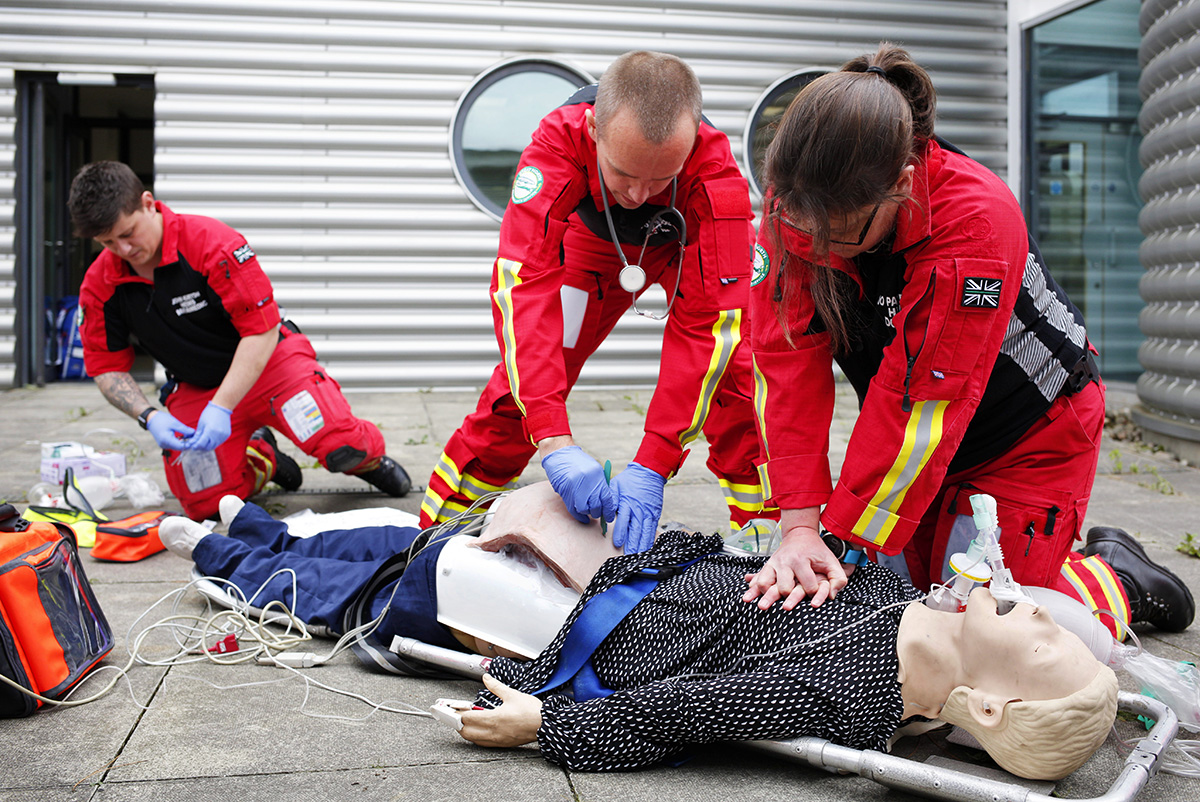
In order to stay at the forefront of pre-hospital care, GNAAS has committed to a programme of clinical innovation.
The latest techniques, equipment and drugs are constantly being evaluated to ensure we can provide the best care possible for our patients. This often means we are pioneering treatments years before they reach other parts of the country. Here are some of our recent successes.
ARC-EMS
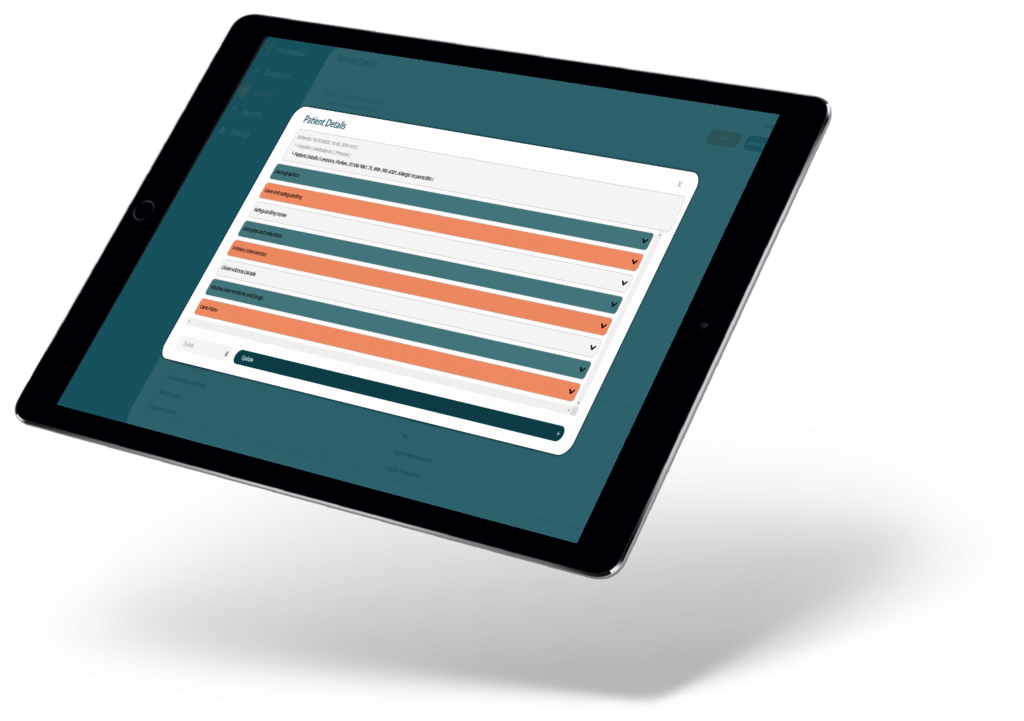
The charity developed its ARC-EMS software in 2016 to handle the complexities of managing, logging and auditing incidents. The software provides a live snapshot of where the crew, aircraft and cars are at any point, allowing rescues to be coordinated remotely.
Precise details of patient care are logged securely. This extensive data resource, including drug usage and inventories, provides an comprehensive research tool that is already proving to be a catalyst for improvement.
In 2019, the charity developed the system further by introducing a tablet version, allowing 24/7 management of deployments which is vital for the charity’s rapid response crews.
GoodSAM
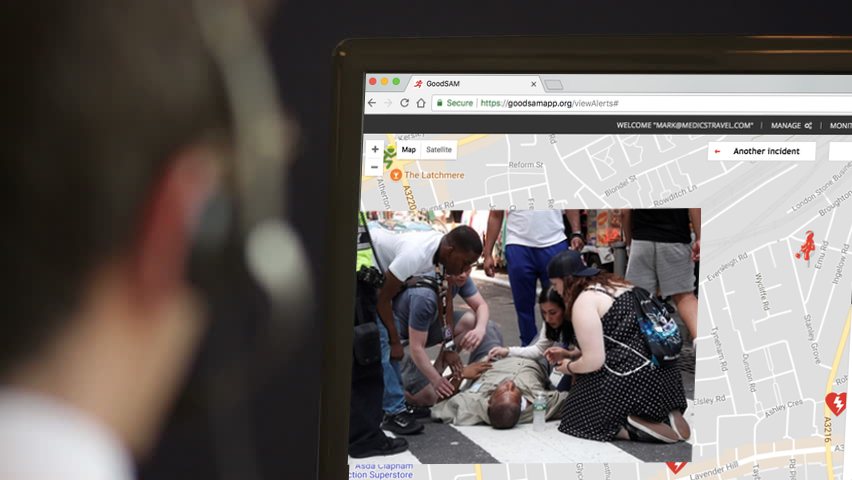
In 2018, the charity became one of the first emergency services in the UK to utilise the GoodSAM app in its deployment decisions. The app allows our team to see the scene through a bystander’s camera phone, simply by sending them a text message.
This means our clinicians can get a better understanding of an incident without having to rely on sometimes sketchy 999 call information. It might mean spotting troubling symptoms that have been missed by the member of the public, or it could be that the patient is not as seriously injured as initially reported.
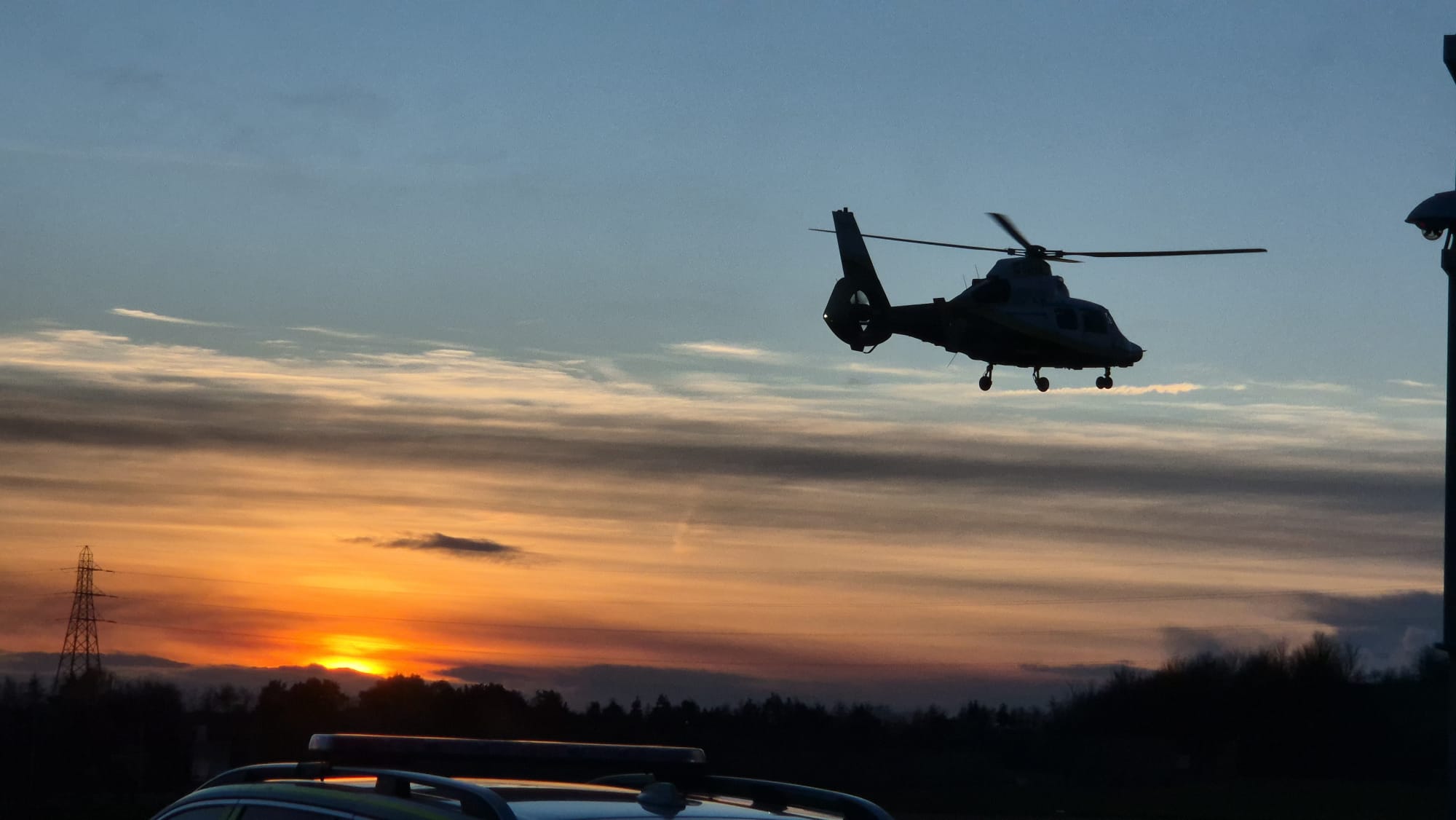
The system is regularly used by the team and means they are able to make more informed decisions before deploying the aircraft to an incident.
Research
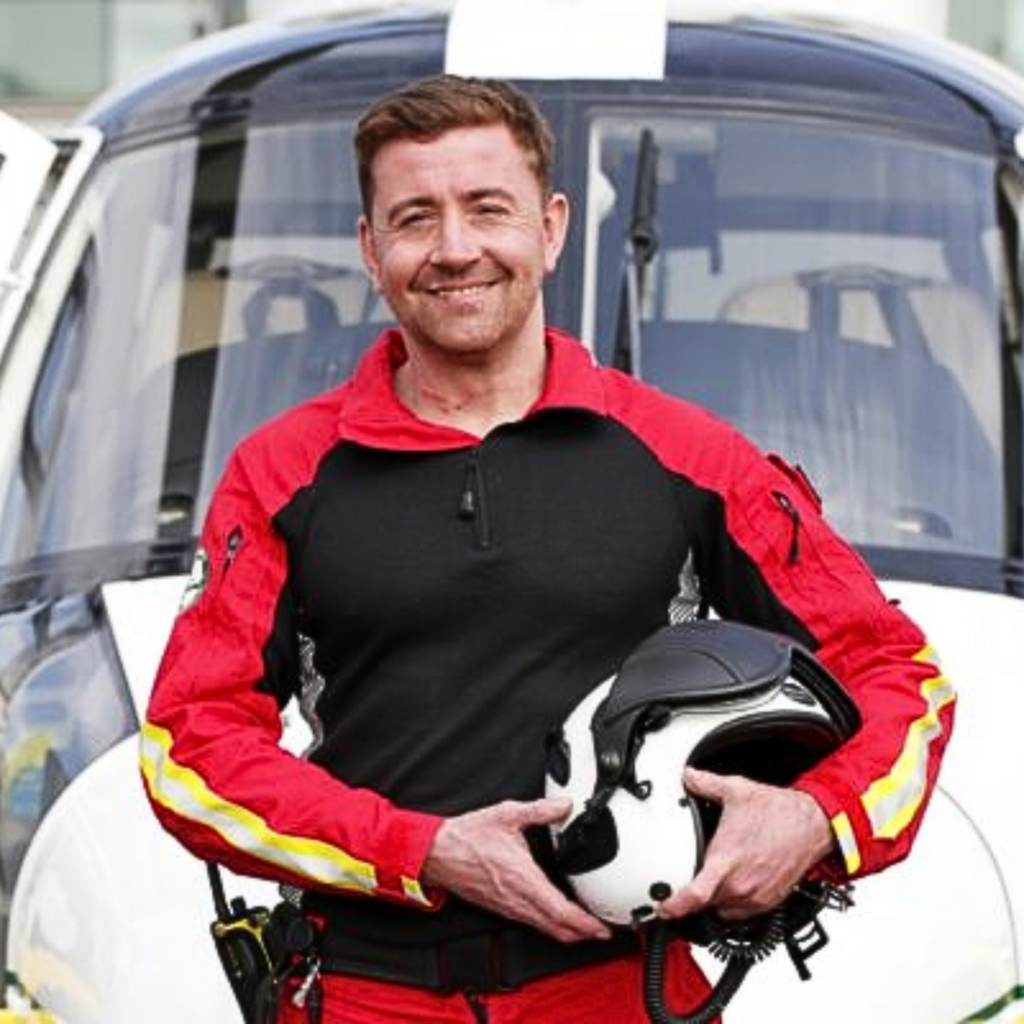
Our clinicians regularly undertake research projects in order to improve clinical standards and to share learning with others. Recent papers authored by our clinicians have appeared in the British Medical Journal and the official journal of the Association of Anaesthetists.
The findings have led to the introduction of new techniques and equipment, as well as improved tasking to incidents.
Blood and Plasma Transfusions
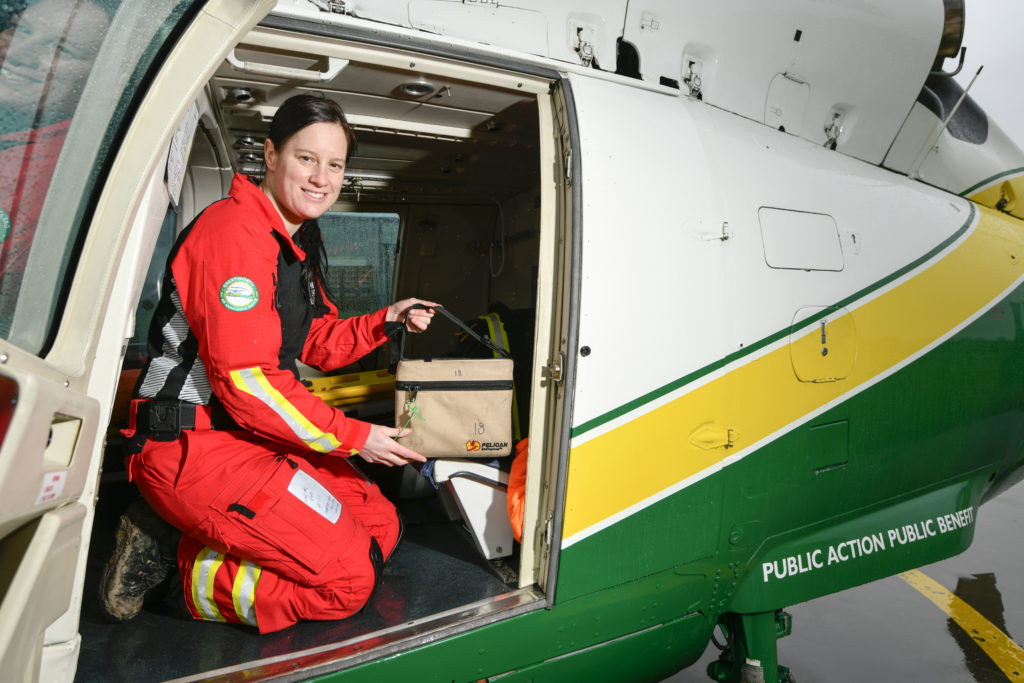
Our doctor Rachel Hawes OBE, who is also a consultant at Newcastle’s Royal Victoria Infirmary, instigated the Blood on Board project in 2015. Her research led to the introduction of ‘live blood’ on our helicopters and rapid response cars. She also oversaw the introduction of plasma the following year. Pre-hospital transfusions had not previously been possible in the North of England.
The introduction of blood and plasma took our care to another level and resulted in lives being saved as a direct consequence. Blood on Board is only possible thanks to the work of the Blood Bikes charities and Newcastle Hospitals NHS Foundation Trust.
Body-Worn Cameras
Our clinical staff wear discreet body cameras when on missions throughout the North-East, North Yorkshire and Cumbria.
This allows them to share knowledge and experiences from cases of major trauma and serious illness throughout the area, for the benefit of future patients.
The data will not be shared with anyone external under any circumstances unless patient approval is granted.
Life-Saving Equipment
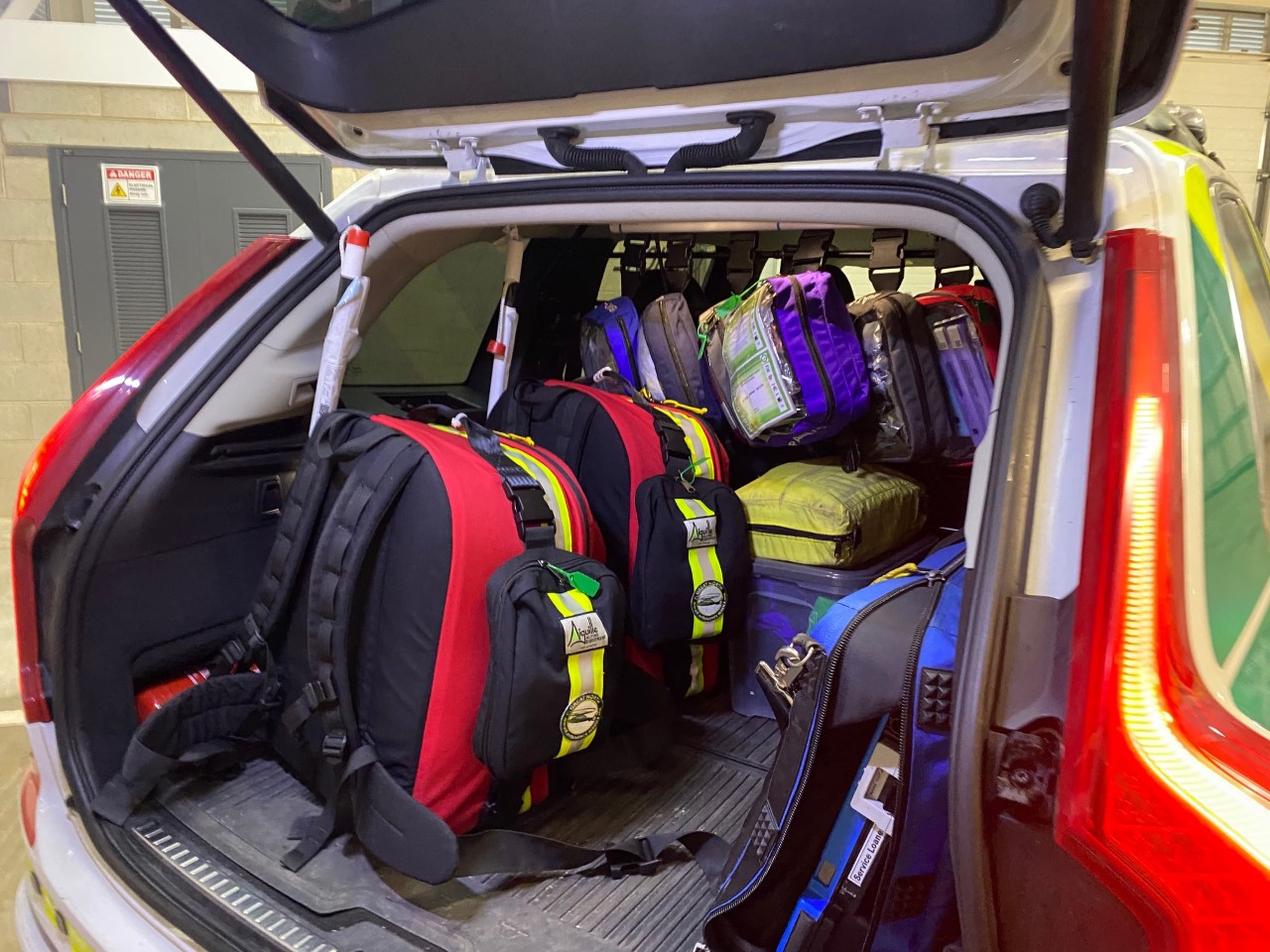
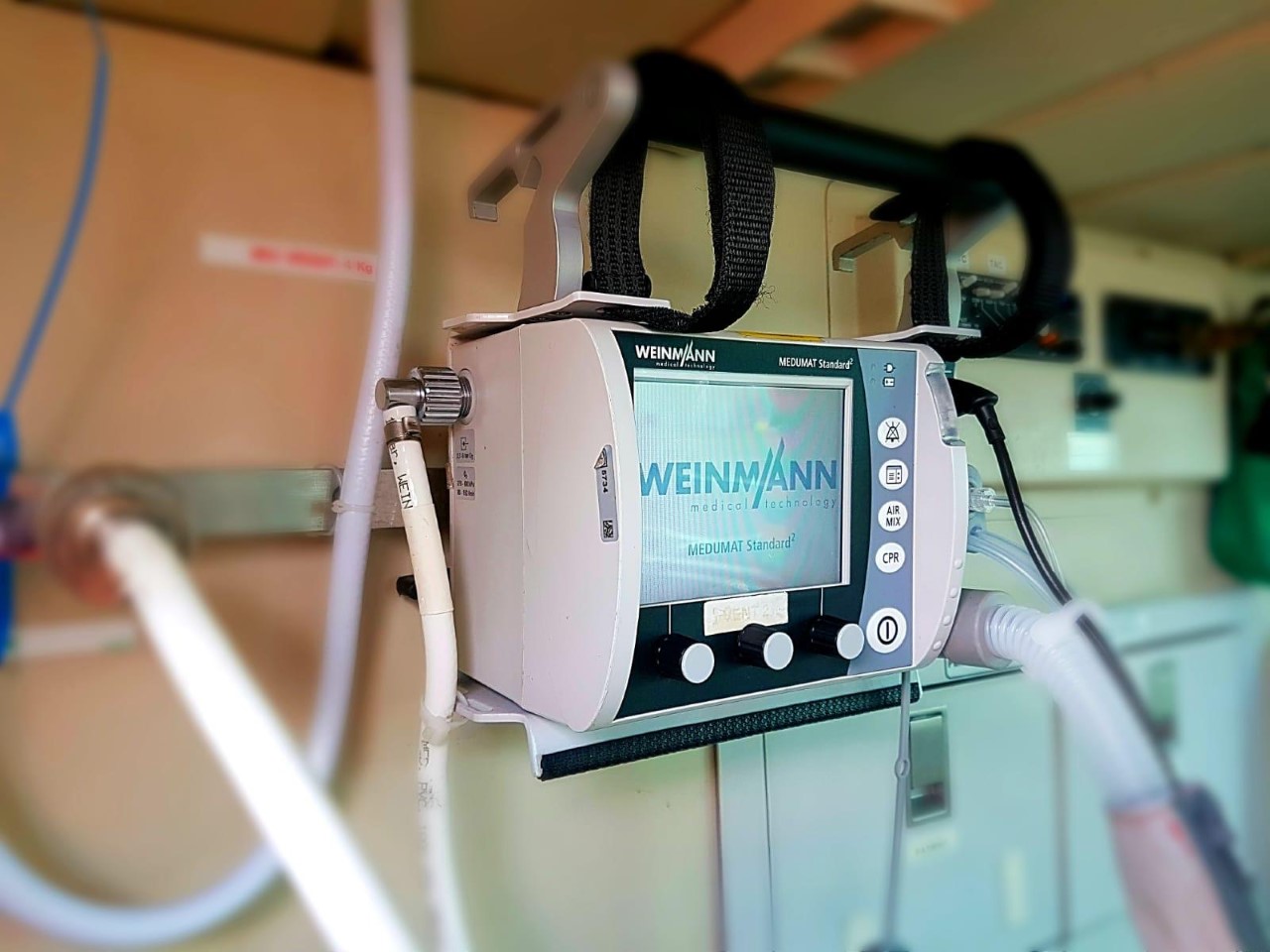
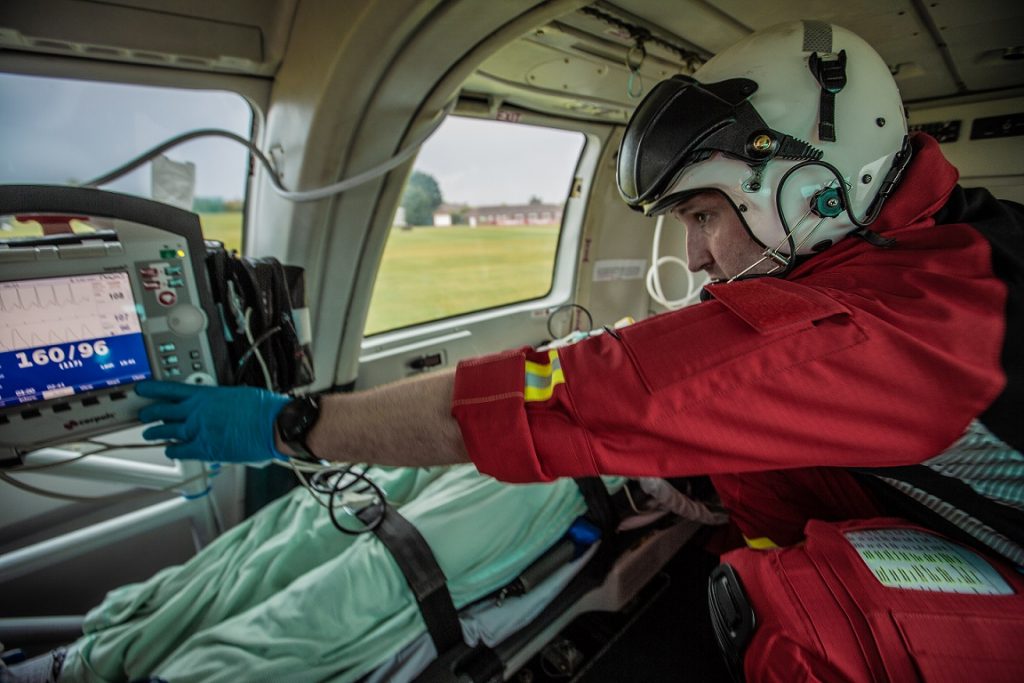
We carry all the equipment needed to perform some of the most advanced medical procedures available. Every item of kit is rigorously researched, tested and maintained to ensure it delivers when it is needed most. Items we carry include:
- Monitor
- Ventilator
- Thoracotomy kit
- Blood warmers
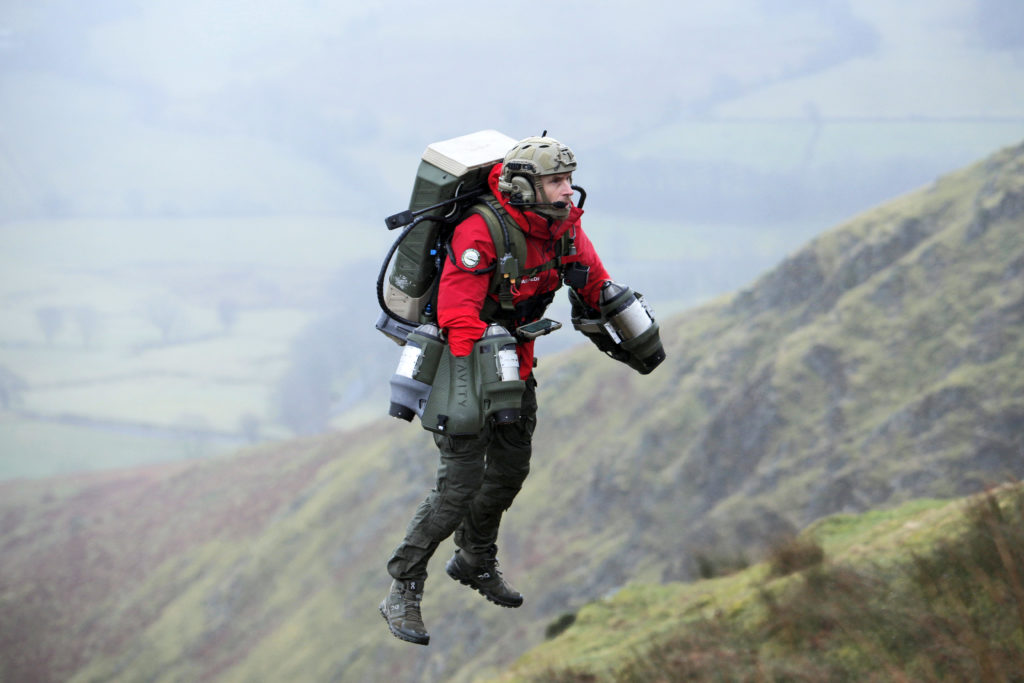
The Jet Suit Paramedic
A collaboration between the Great North Air Ambulance Service and Gravity Industries saw trials of futuristic technology in the hopes of reaching stranded ramblers in remote areas more quickly and easily.
The jet suit relies on five mini jet engines, two built into units attached to each hand, and one built into a backpack. It can reach impressive speeds of up to 85 miles an hour, with a total flight time of up to 10 minutes.
Ultrasound
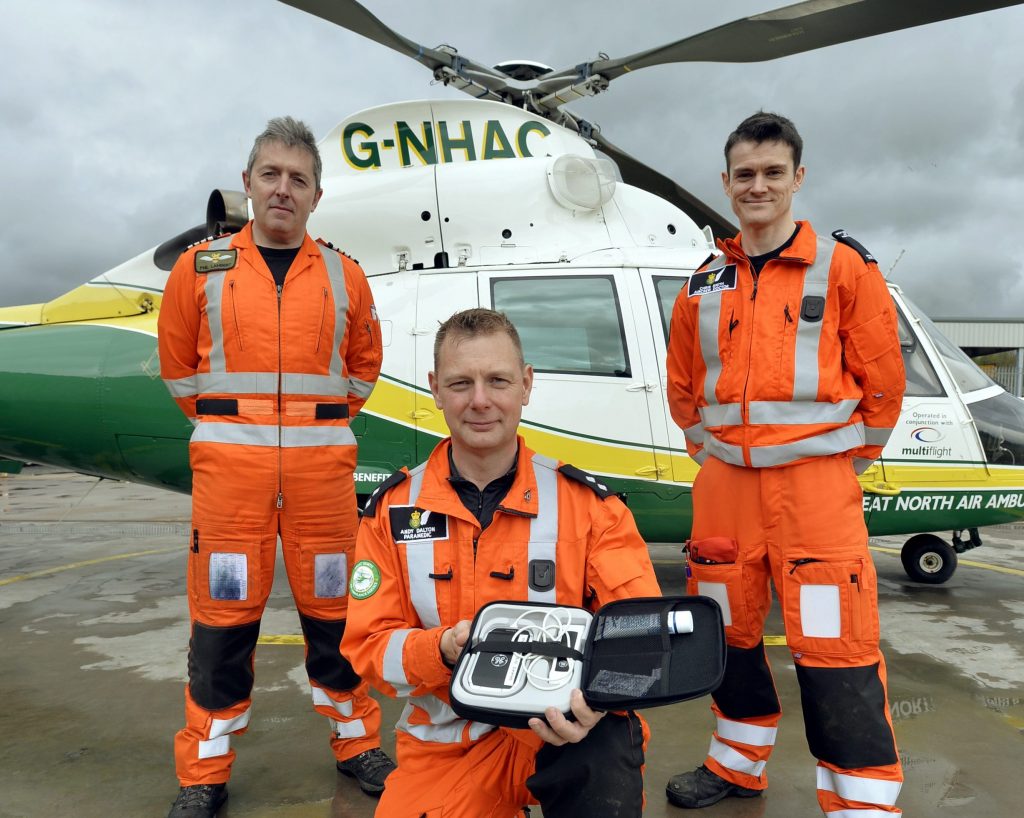
We carry ultrasound scanners on our helicopters and cars. The scanners, roughly the size of a mobile phone, give our team a clearer picture of internal injuries or complications.
Speaking on Ultrasounds used by our charity on missions, Paramedic Andy said: “In the case of a cardiac arrest, it allows us to see what the heart is doing and to make a decision on how to treat the patient. They can make a huge difference in allowing us to make an informed decision about a patient’s true condition.”
Other Innovations