When a patient needs specialist treatment that isn’t available at their local hospital, getting them to the right place quickly can make all the difference.
In 2022 our charity launched a time critical emergency transfers service in North Cumbria to help bridge the gap between the hospitals in the region and major trauma centres.
Known as the ‘hot retrieval service’, it began running on Friday and Saturday nights, to transfer the sickest patients from hospitals in Carlisle and Whitehaven to specialist units around the North East and North West.
The service can be tasked for a range of time-critical situations, including major trauma, severe traumatic brain injuries, penetrating trauma and certain cardiac emergencies.
For example, a patient who has suffered a cardiac arrest may need to travel from West Cumberland Hospital to a specialist cardiac centre for urgent intervention, or a seriously injured patient in North Cumbria may need to go to the Royal Victoria Infirmary (RVI) in Newcastle for specialist trauma care.
In these situations, time matters but so does the quality of care during that time.
The service is a collaboration between GNAAS and North Cumbria’s emergency medicine and critical care hospital teams within the NHS Trust.
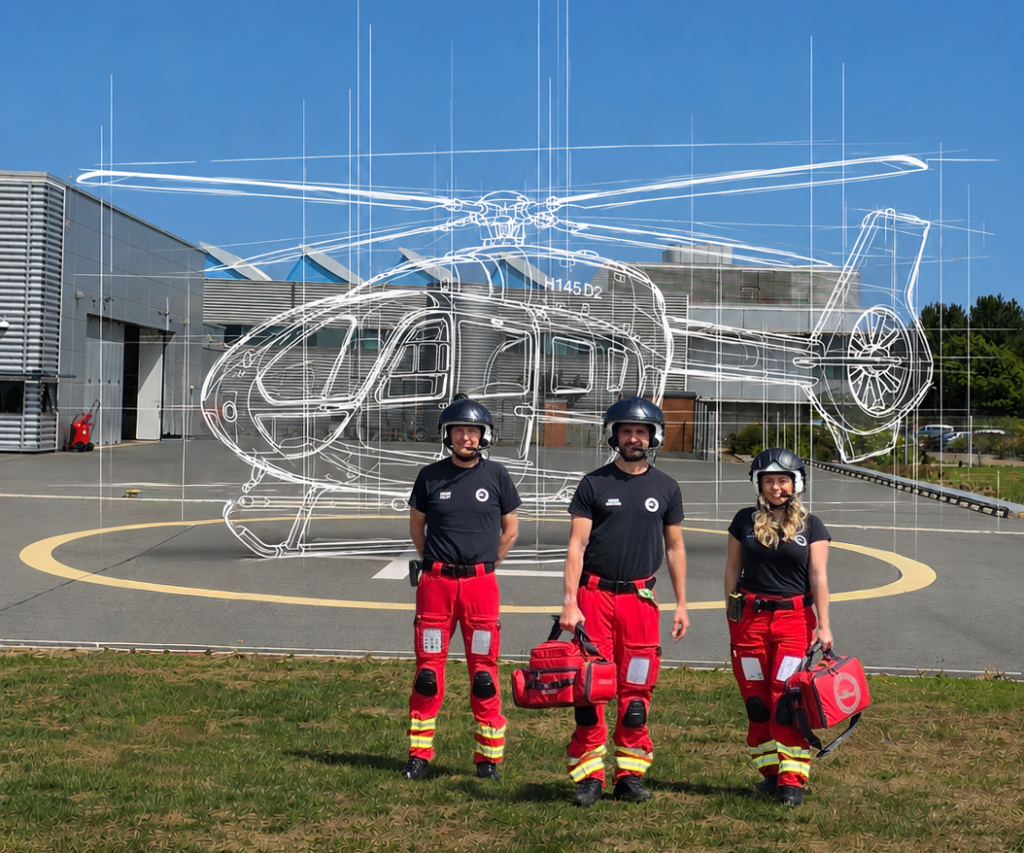
The hot retrieval team consists of a senior HEMS doctor and critical care paramedic, who aim to reach the hospital within 30-45 minutes of activation.
Unlike a standard transfer, our team can bring specialist critical care skills and equipment to the patient, allowing them to continue receiving a high level of care during their journey.
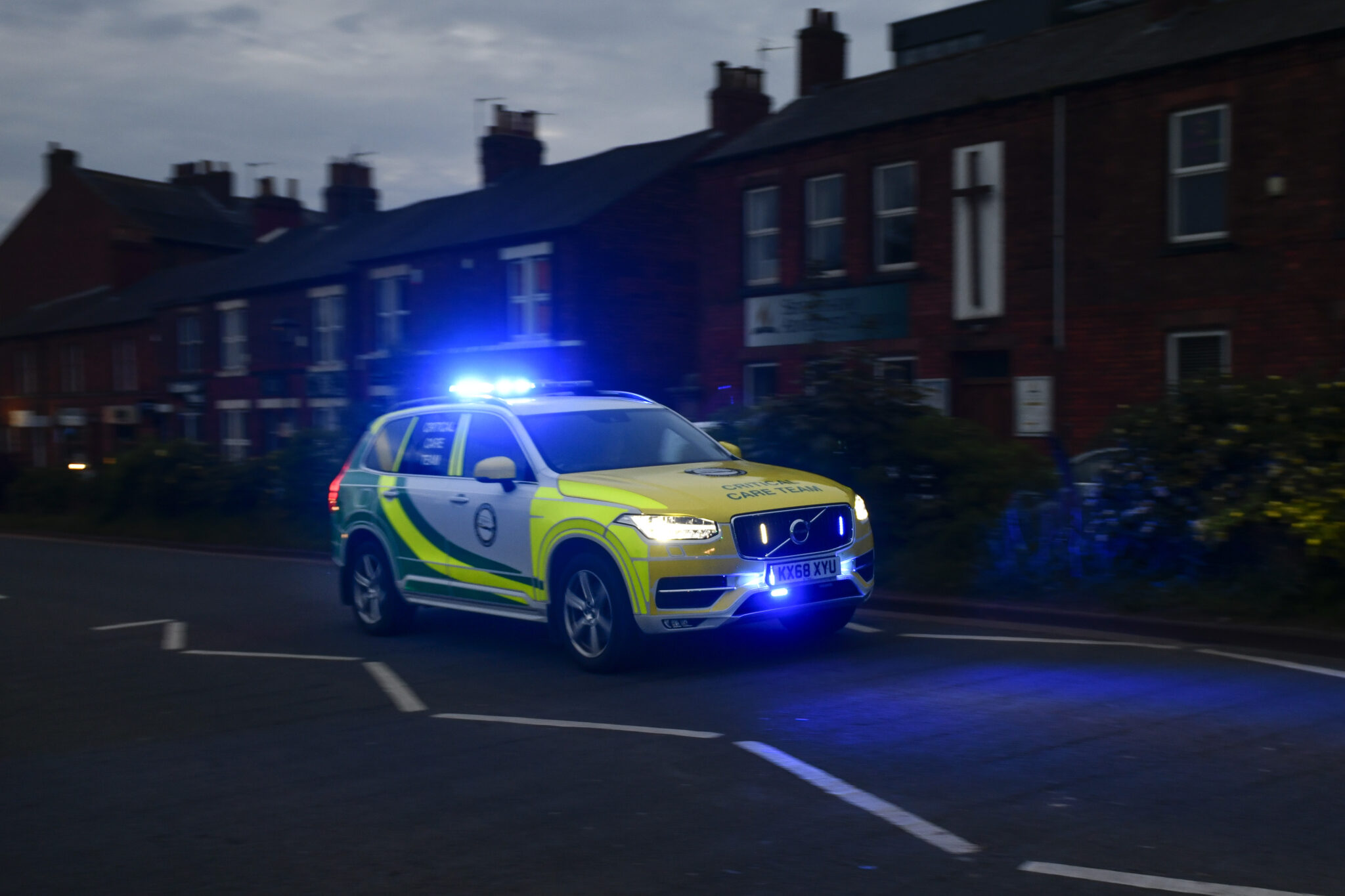
As a lot of these hot retrieval cases will be during the hours of darkness when the aircraft isn’t flying, two transfer trolleys have been purchased to fit the ground ambulances.
Laura Duffy, who is a doctor at GNAAS said: “On a nighttime we may be tasked to a patient in hospital who needs more specialist treatment than that hospital can provide. We’ll drive over in our rapid response vehicle and meet the crew from the land ambulance who will be transporting the patient. We’ll utilise our transfer trolley, which has been designed to safely transport the patient, and allows us to attach our kit to it, so we can continue caring for them throughout the transfer.”
The team has specialist equipment including infusion pumps and arterial lines, which allow medication to be delivered in a controlled way and provide continuous monitoring, so they can manage any changes in the patient’s condition and make sure they remain as stable as possible during the journey.
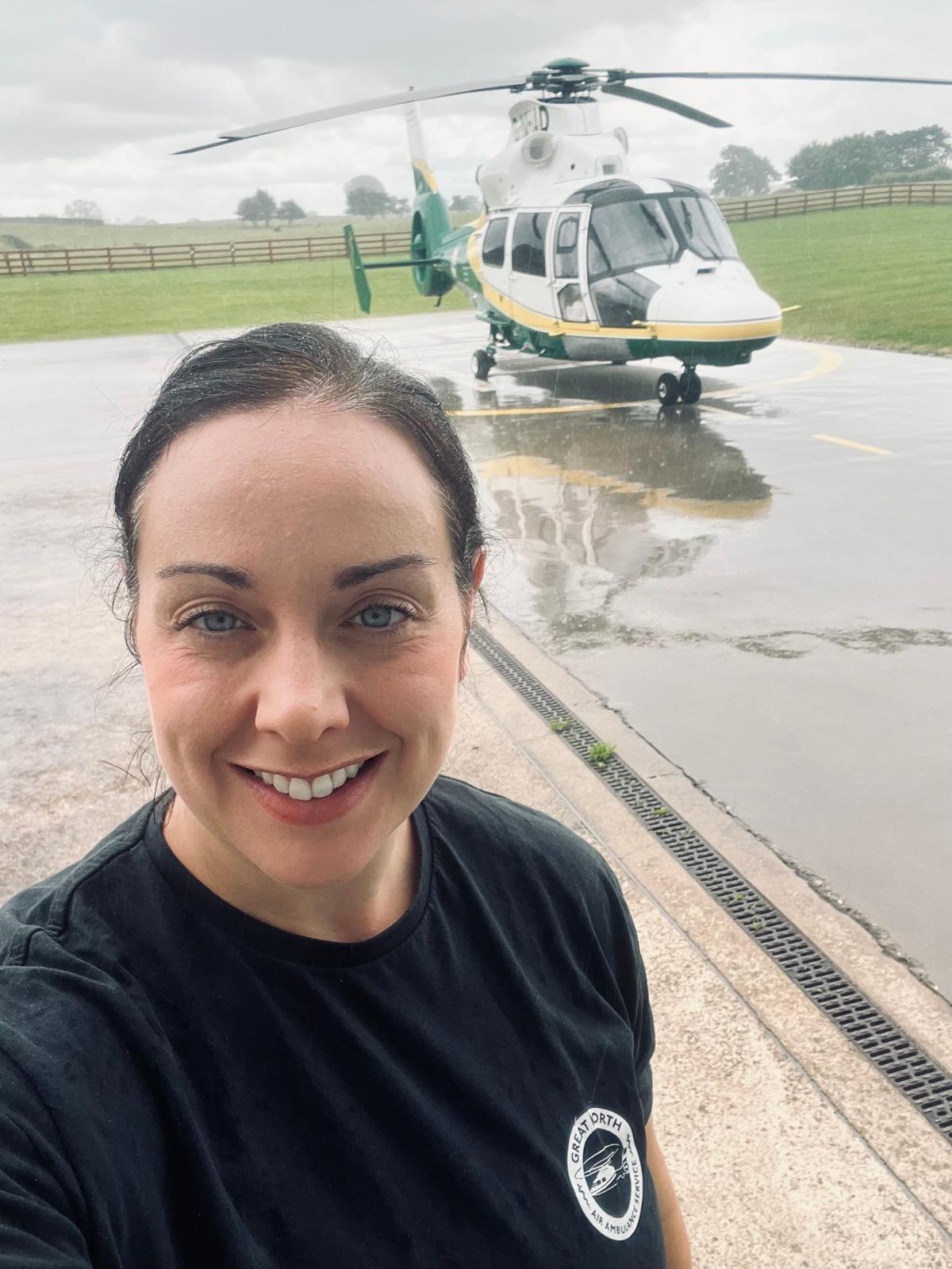
Laura said: “The team has developed its skills and equipment specifically to support these longer and more complex transfers. Those skills have also proved valuable when caring for patients during longer journeys in the helicopter, including transfers from the Isle of Man, which can be a 35-40 minute flight.”
The service has since expanded from Friday and Saturday nights and aims to provide a doctor and paramedic team seven nights a week when staffing allows.
Over an 18-month period nine critically unwell patients were transferred from West Cumberland Hospital and Cumberland Infirmary.
Eight of those were intubated and ventilated and the remaining patient transferred due to an ongoing blood transfusion.
Laura said: “Cumbria is a really rural population, and we provide a lifeline to the community here. We might transfer a critically ill or injured patient every couple of months, which may not sound like a lot, but for that one patient, it makes a huge difference, and that’s what makes it worthwhile.”
Share