Everything you need to know about our life-saving service.
An air ambulance is a helicopter-based emergency medical service that delivers specialist doctors and critical care paramedics to seriously ill or injured patients. Unlike a traditional ambulance, an air ambulance brings advanced medical treatment directly to the scene of an emergency.
When every second counts, an air ambulance could mean the difference between life and death.
Across the UK, air ambulance charities provide advanced critical care to seriously ill and injured people, bringing hospital-level treatment directly to the scene of an emergency. Whether responding to a major road traffic collision, a farming incident, a medical emergency or an accident in a remote location, these highly skilled teams deliver lifesaving care long before a patient reaches hospital.
The Great North Air Ambulance Service (GNAAS) has been doing exactly that for more than two decades, providing specialist critical care across the North East, North Yorkshire, Cumbria and the Isle of Man. Operating 365 days a year, GNAAS crews are made up of pilots, experienced doctors, specialist paramedics who can perform advanced medical procedures at the roadside, on mountainsides, in homes, in workplaces and beyond.
This guide explains everything you need to know about air ambulances in the UK, how they operate, when they’re called, who pays for them and why charities like GNAAS are so critical to the region.
What is an air ambulance?
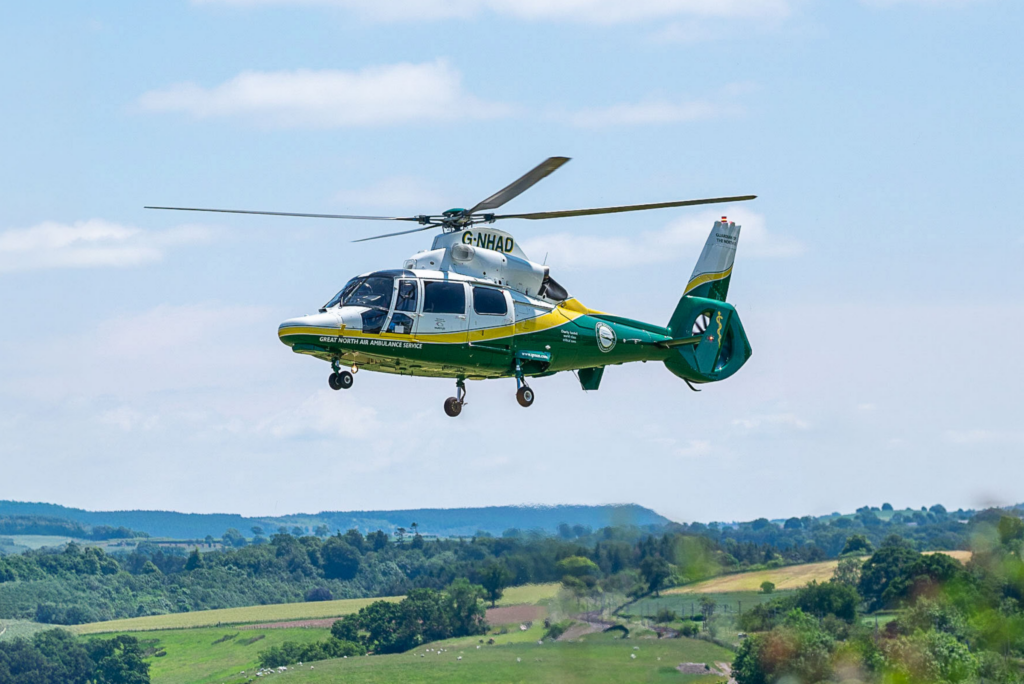
An air ambulance is far more than just a helicopter. It is a flying emergency department, carrying specialist medical equipment and a highly trained clinical team capable of delivering advanced emergency care before a patient reaches hospital.
Unlike a standard ambulance, air ambulances are designed to deliver expert critical care directly to the patient as quickly as possible. In many cases, the most important treatment happens before the patient even leaves the scene.
For patients suffering life-threatening injuries or illnesses, those first few minutes can be critical.
What does the Great North Air Ambulance Service do?
The Great North Air Ambulance Service is a charity dedicated to bringing expert emergency care to people across some of the UK’s largest and most diverse regions, as well as the Isle of Man.
From busy city centres to isolated rural communities, beaches, mountains and farmland, GNAAS responds wherever patients need specialist care.
Every mission is different, but our crews regularly attend:
- Serious road traffic collisions
- Cardiac arrests
- Falls from height
- Industrial accidents
- Farming incidents
- Sporting injuries
- Mountain rescues
- Water-related emergencies
- Serious medical emergencies
- Incidents involving children
The aim is always the same: deliver critical care at the earliest possible opportunity to the people who need it most across our region.
How does an air ambulance work?
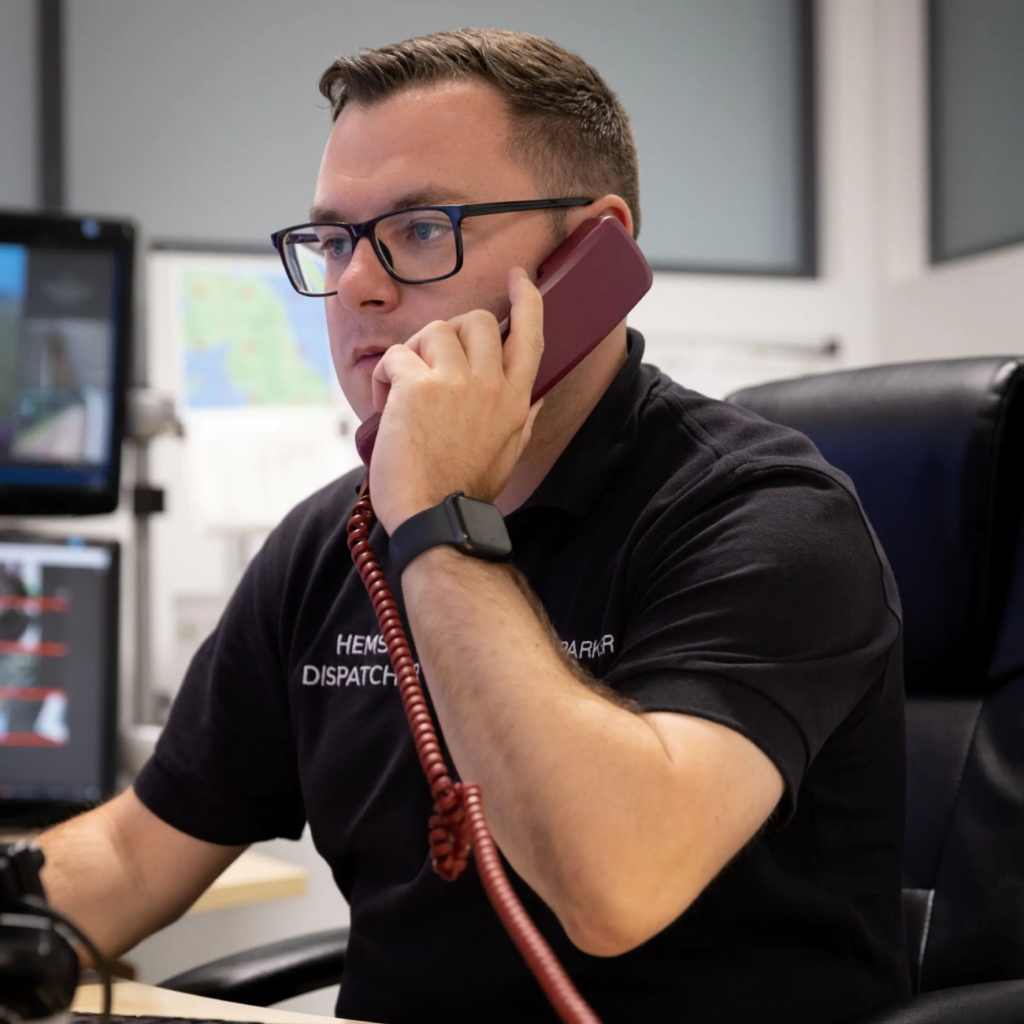
Every emergency begins with a 999 call. Emergency services assess the information available and determine the most appropriate response. If advanced critical care or rapid access is likely to improve the patient’s outcome, the air ambulance may be dispatched.
Once tasked, the GNAAS crew prepares immediately. Depending on the incident, they may travel by helicopter or by one of the charity’s rapid response vehicles.
Upon arrival, the team quickly assesses the patient and begins treatment. Unlike many people imagine, the helicopter itself isn’t always the most important part of the mission; the expertise of the crew on board is.
Who is on an air ambulance?
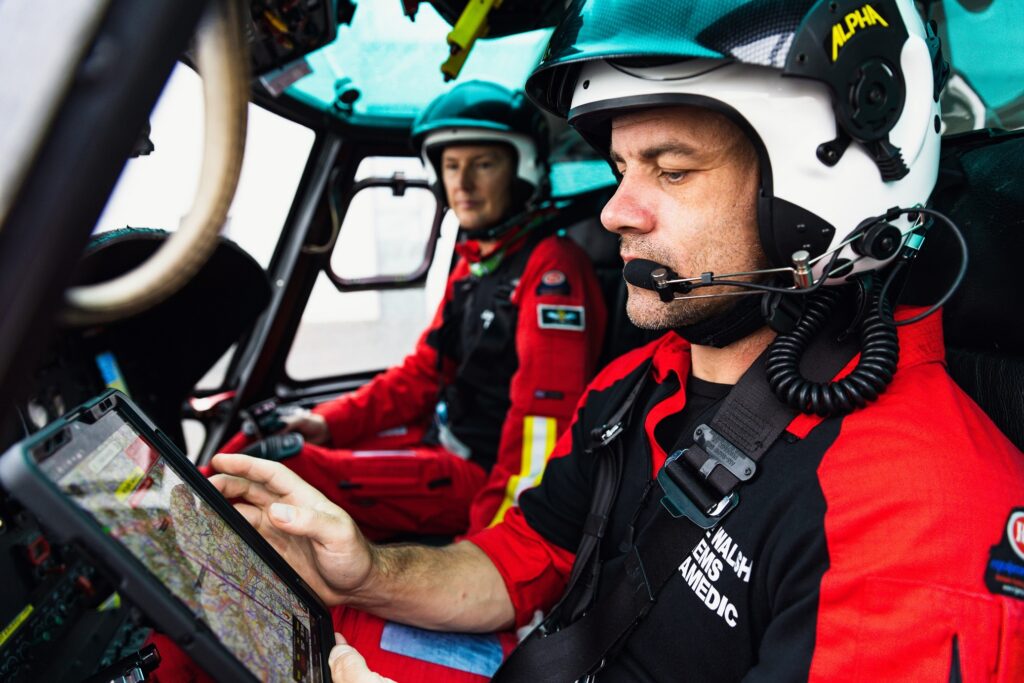
Every GNAAS mission brings together professionals with specialist expertise in emergency medicine.
A typical crew may include:
- Expert Critical Care Doctor – Plays an important role within the team by delivering advanced, hospital-level care at the scene of serious incidents.
- Specialist Critical Care Paramedic – A key member of the team, providing advanced pre-hospital care at the scene of serious incidents.
- Experienced Helicopter Pilot – Critical role within the team by ensuring the safe and rapid transport of the medical crew to and from emergency incidents.
Each member has a clearly defined role, working together to deliver hospital-level care in challenging environments.
What treatment can air ambulance teams provide?
The GNAAS crew are able to provide advanced procedures that would traditionally only be available inside a hospital.
Depending on the patient’s condition, treatment may include:
- Advanced airway management
- Emergency anaesthesia
- Blood transfusions
- Ultrasound scanning
- Pain management
- Mechanical ventilation
- Advanced cardiac care
- Life-saving medications
- Surgical procedures in exceptional circumstances
- Emergency Thoracotomy
Bringing these capabilities directly to patients can significantly improve outcomes.
Are air ambulances part of the NHS?
Air ambulance charities work closely with NHS ambulance services, but most emergency air ambulance services in England, Wales and Northern Ireland are independent charities funded through charitable donations. The Great North Air Ambulance Service relies on charitable donations to keep our life-saving service going.
When is an air ambulance called?
Air ambulances are dispatched when specialist critical care is needed quickly.
Common examples include:
- Serious Road Traffic Collisions: High-speed crashes often involve multiple injuries requiring immediate specialist treatment.
- Cardiac Arrest: Advanced interventions can begin within minutes.
- Severe Trauma: Falls, crush injuries and industrial accidents frequently require consultant-led care.
- Remote Locations: Mountain paths, coastlines, forests and farmland can all be difficult to access by road.
- Children: Specialist paediatric emergencies may also require advanced clinical expertise.
Each incident is carefully assessed before dispatch. Learn more about how air ambulances work in the UK.
Who pays for air ambulances?
This is one of the most common questions people ask.
Although air ambulances work alongside the NHS and emergency services, charities like the Great North Air Ambulance Service rely on charitable donations to continue operating.
That means donations, fundraising events, charitable gifts, business partnerships and community support all play a vital role in keeping helicopters flying and critical care teams responding.
Every contribution we receive helps ensure specialist care remains available whenever it is needed across the North of England and the Isle of Man.
What’s inside an air ambulance?
Every helicopter is equipped with advanced medical technology comparable to a mobile intensive care unit. Every GNAAS air ambulance carries two
Equipment includes:
- Ventilators
- Cardiac monitors
- Defibrillators
- Ultrasound scanners
- Blood products
- Airway equipment
- Specialist medications
- Trauma equipment
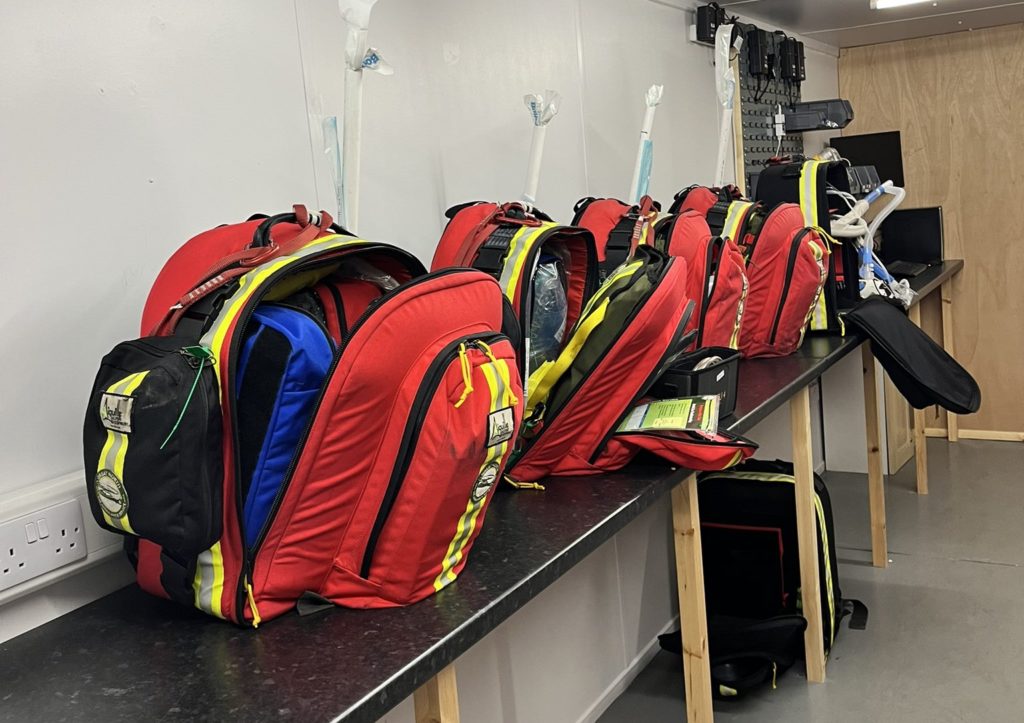
The equipment carried in our red critical care bags costs us over £35,000, and everything is designed to provide immediate lifesaving treatment, wherever the patient may be.
Beyond the helicopter
While helicopters are an iconic part of the service, GNAAS also operates Rapid Response Vehicles (RRVs).
These vehicles allow crews to respond in poor weather, at night, or whenever travelling by road is the quickest option. The focus is always on delivering expert care as rapidly as possible, and our RRV’s are staffed by a doctor and paramedic who carry the same kit that is onboard our helicopters. Thanks to our RRVs, we now operate a 24/7 service across the North East, and a similar service in Cumbria.
Supporting the future of critical care
Delivering lifesaving care across thousands of square miles requires specialist helicopters, advanced medical equipment and highly trained people. As aircraft age, replacing them becomes essential to maintaining the service that communities rely upon.
Through Operation SOS, we are investing in our next fleet of helicopters, ensuring patients continue receiving world-class care for many years to come.
Every donation, fundraiser and supporter helps make that future possible.
If you’d like to discover more about the work of the Great North Air Ambulance Service, explore our patient stories, fundraising events, volunteering opportunities and Operation SOS campaign. Together, we can help ensure advanced critical care reaches people across our region whenever and wherever it is needed.
Share


Summary
Support the Great North Air Ambulance Service today, and help us keep saving the lives of the most critically injured people across the regions that we are so proud to serve.